
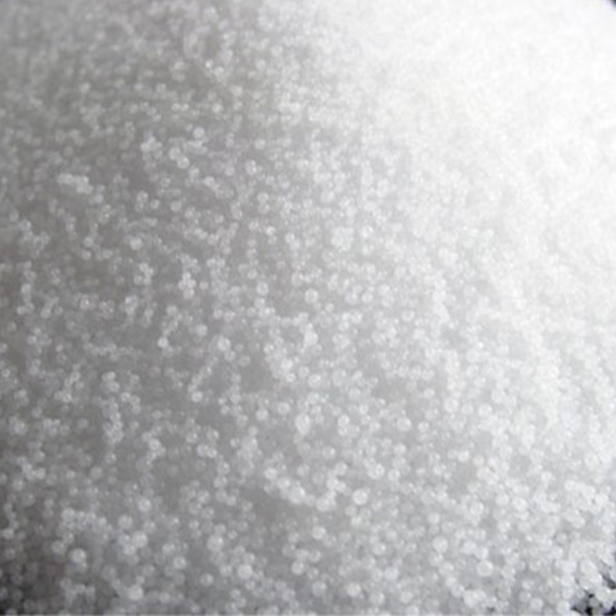
Polyethylene wax
In this blog, we have decided to provide you with information about polyethylene wax and explain its properties and uses in the industry. We hope that the information provided will be useful for you.
Polyethylene is used for mold release, spreader and plastic modifier. Whether used for the surface or as a processing agent, polyethylene has countless advantages and benefits.
The high benefits and advantages of polyethylene have made it highly popular in recent years, and according to research, polyethylene wax has enjoyed a 4.75% growth in the years 2017 to 2022. In the following, we are going to explain about the features and uses of this wax.
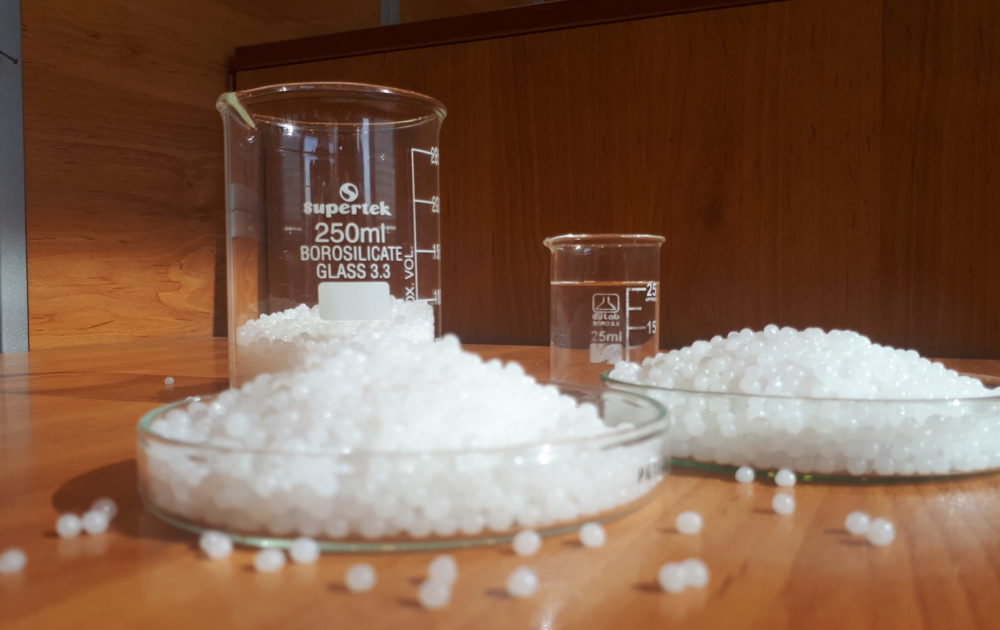
Properties and characteristics of polyethylene
Polyethylene is obtained from ethylene through a process called polymerization. By changing the polymerization process, manufacturers try to produce a high quality product and use it in the industry.
However, some basic material properties are common to all polyethylenes.
Ethylene as a saturated homopolymer, polyethylene is also linear and crystalline, that is why this substance has many applications in industries such as plastic additives, mixtures and rubber manufacturing.
This material has low solubility and this is due to its high crystalline nature, it has good hardness at high temperature and low solubility in many solvents.
It is called thermoplastic material, it is quite clear how this material behaves when exposed to heat.
This material can be heated and cooled without much destruction and the structure of the material does not change.
Also, polyethylene has a limited poly disparity and molecular weight.
It is worth mentioning that this material has high resistance against chemical attacks, it has excellent thermal stability, this material has good flexibility against formulation.
In the following, we will have a summary of the characteristics of polyethylene:
- Excellent thermal stability
- دارای مقاومت شیمیایی و نقطه ذوب بالا می باشد
- It has chemical resistance and high melting point
- Excellent lubrication
- The head has high resistance.
- High softening point
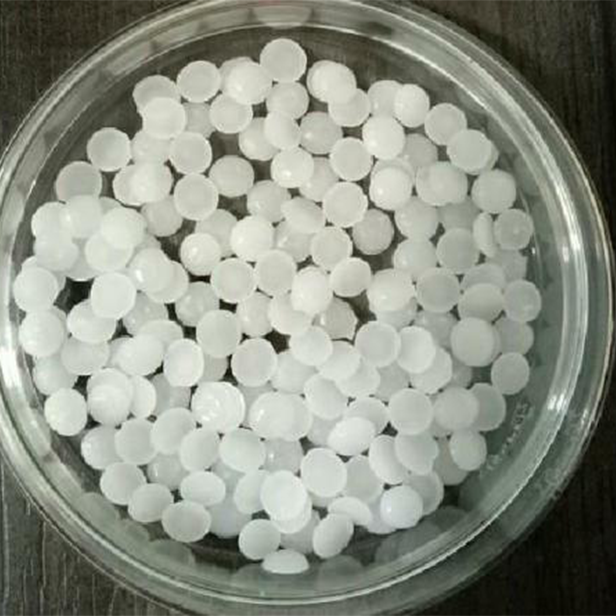
Properties of polyethylene material
Polyethylene has many physical and chemical properties that make it suitable for many industrial applications.
During recent studies, it has been shown that requests for this product have grown significantly. During these studies, it has been said that this trend will continue until 2022. Some of the many uses of polyethylene are colored pencils, packaging, paper coating, ink, etc. The rest of the additives include food and colors.
Identification of polyethylene wax
Low density polyethylene is denser and more crystalline.
Different methods can be used to distinguish polyethylene from other materials such as touch, smell and sight. This wax is similar to plastic sheets. It is a translucent yellow substance. It has a glossy surface. When we cut the polyethylene wax, we notice that there is no impurity and no separation.
Polyethylene has lubricating properties and is also very fragile in room air. The fake version is very rough and greasy.
To test the ingredients, it can be boiled in water for 5 minutes. Real PE wax does not change shape. If the wax contains any other impurity, including paraffin, you will notice its changes.
Uses of polyethylene wax
Surveys recently collected by some researchers show that the polyethylene market consists of plastic additives, candles, cosmetics and Some other packaging are lubricants, wood and coatings.
Polyethylene wax has favorable physical and chemical properties and is used in many industries. Since this material can have a wide range of melting points, densities and other properties, it is understandable why it is widely used.
Emulsion types are very important in the textile industry. It is also used in paper coating, leather accessories, colored pencils and cosmetics. It can be said that the non-emulsifiable model is mostly used in printing ink, pigment concentrate and common color.
In the textile sector, the material is probably the most widely used. Emulsions made from soft wax provide stability. While resistant to acids and other chemicals, these emulsions are fabric friendly – no yellowing of fabrics, no discoloration and no chlorine retention.
Polyethylene wax is also used in the packaging sector. Compliance with olefin regulations is essential when using this substance as a food additive, at least in the United States.
Throughout history, wax has been used in the coating industry. The importance of wax is that it adds water repellency, better slip and mark resistance, among other properties.
Ethylene introduces the following:
- anti-falling
- anti-settlement
- abrasion resistance
- Marking resistance
- snake resistance
In the ink industry, the materials have similar advantages. There are different types of inks that they use to improve friction coefficients as well as increase scratch resistance.
Result :
Polyethylene is heat stable, low soluble, chemically resistant and hard. The combination of these properties with wear resistance and wide melting points make this material an undeniable choice for a wide range of industrial applications.
Whether you want to process rubber, produce textiles, modify plastics or cover corrugated board, a degree is available. As manufacturers may have different grades of material, please ask so you can be directed to the material that best suits your needs.
last word
The Flicker Drum Collection has been producing Flicker Drums, Spray Dyes, Nickel Pans, etc. for many years, and in this way, it has built a brilliant history and is proud to cooperate with collections such as Sood Perak, Rasta Shimi, Eurasia Perak, Pakdane Mehr, Rose Perak Arax Shimi. , Parse has benefited from Alvand and so on.
We hope that you have found answers to all your questions in this blog. If you have more questions, you can contact our experts from the contact section of the site and get answers to your questions.
بدون دیدگاه